
#fundamentals
14 articles on fundamentals.
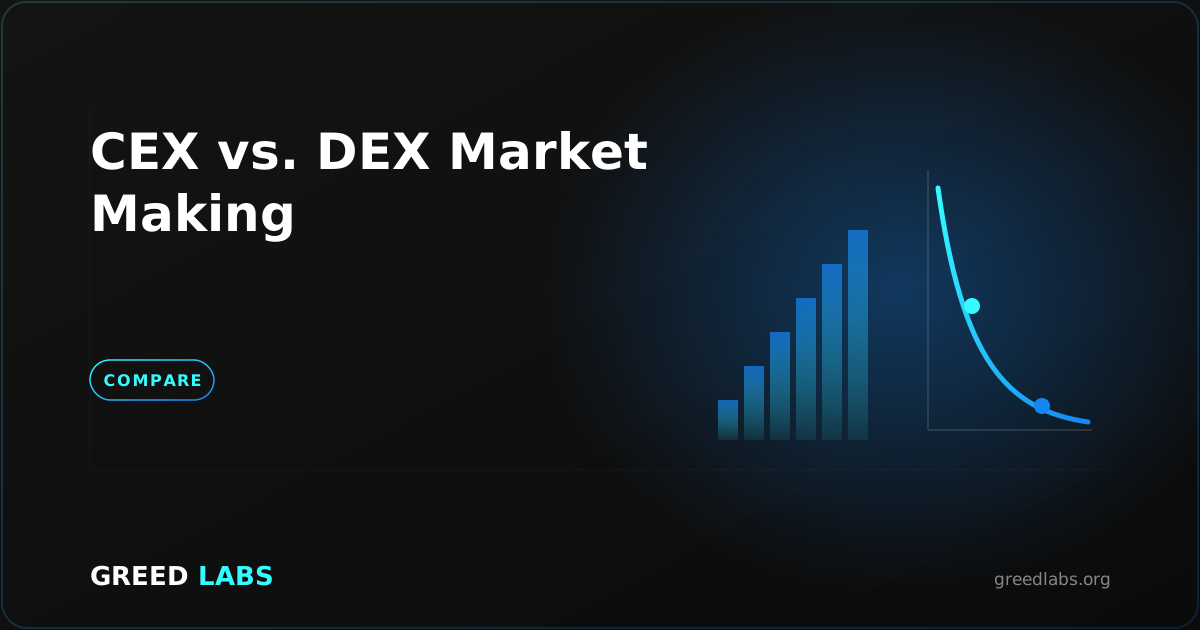
CEX vs. DEX Market Making: What's the Difference?
CEX market making quotes two-sided orders on an exchange order book; DEX market making supplies and actively manages assets in an AMM liquidity pool. Here is how each works, the risks, and why most tokens need both.
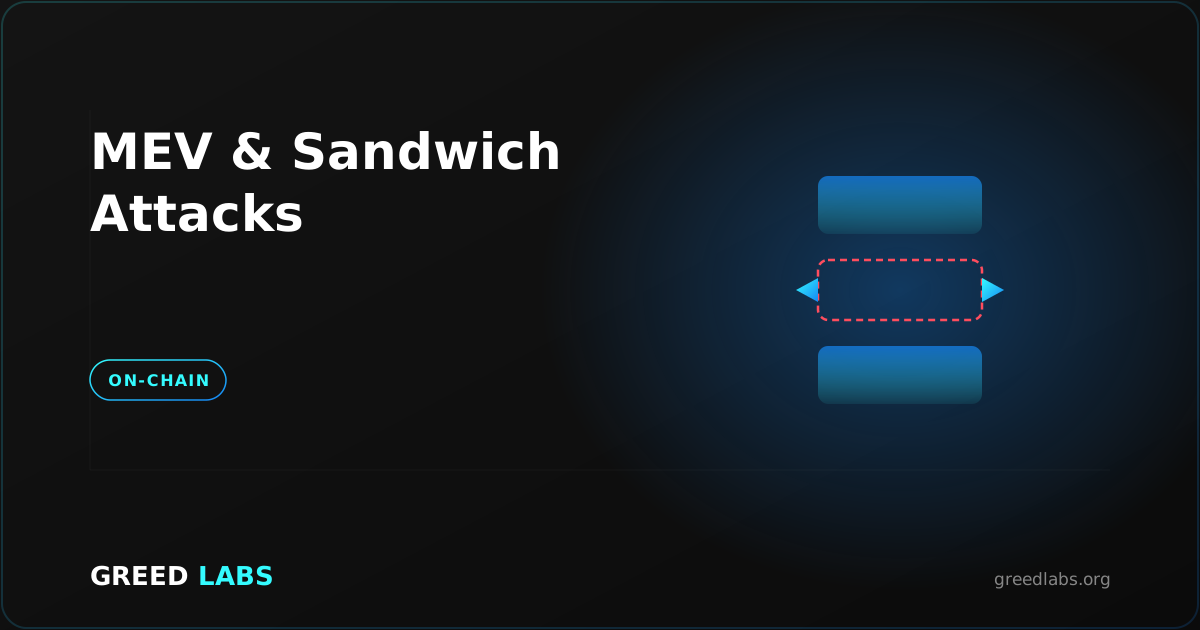
MEV and Sandwich Attacks: What Token Teams Should Know
MEV is value that block producers and bots extract by reordering or inserting transactions. The most common form that hurts your traders is the sandwich attack. Here is how it works and how deeper liquidity reduces it.
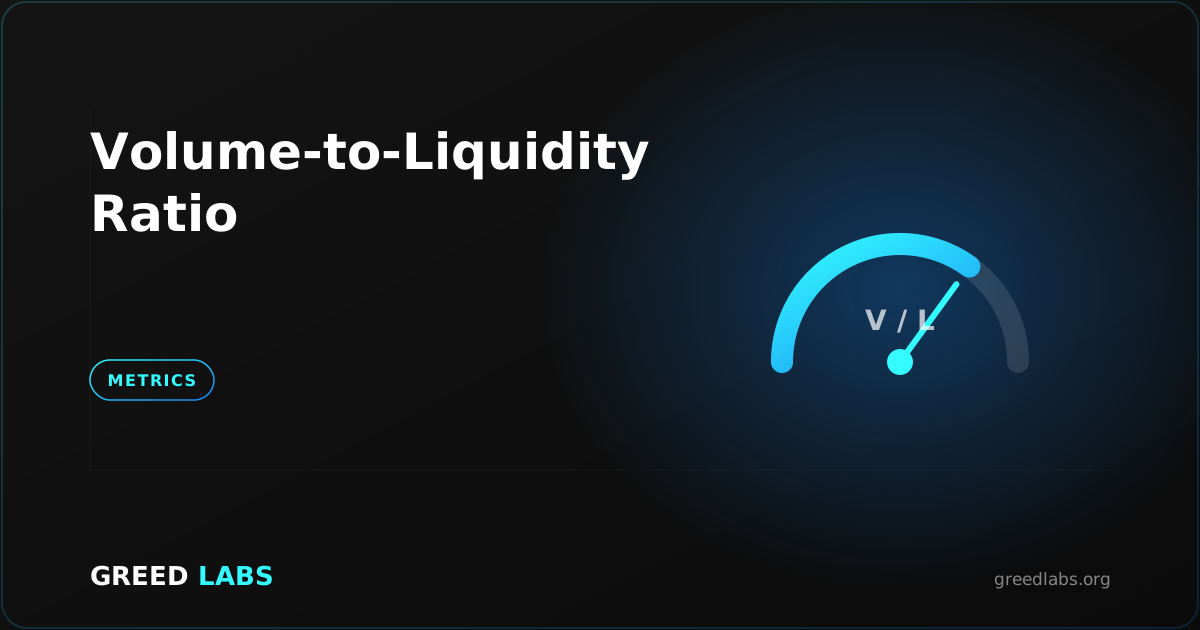
Volume-to-Liquidity Ratio Explained
The volume-to-liquidity ratio compares a token's trading volume to the depth supporting it — a fast read on whether activity is proportionate. Here is how to calculate it, how to interpret the ranges, and where it misleads.
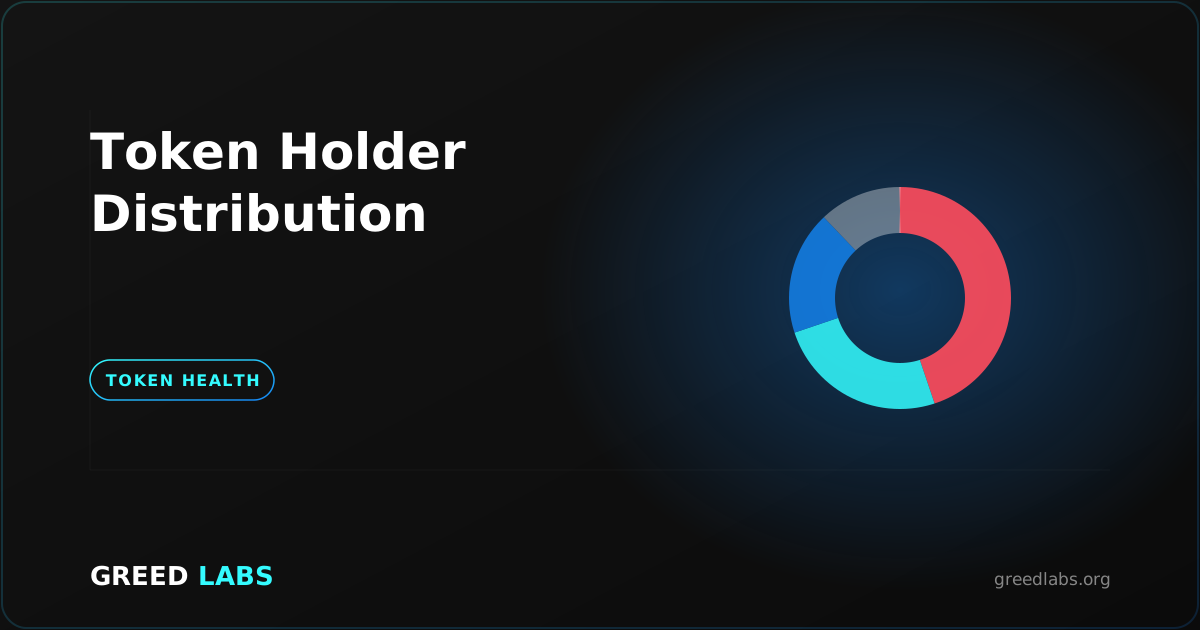
Token Holder Distribution: What Healthy Looks Like
Healthy token holder distribution means supply spread across many independent wallets, not concentrated in a few. Concentration is a liquidity and dump risk. Here is what healthy looks like and how to check yours.
TVL vs. Liquidity: What's the Difference?
TVL measures how much value is deposited in a protocol or pool; liquidity measures how easily a token trades without moving its price. A pool can have high TVL and still be illiquid for your token. Here is the difference and why it matters.
Crypto Market Making Bots: How Automated Liquidity Works
A market making bot continuously places and updates buy and sell orders from rules and live market data, providing liquidity faster than any human. Here is how they work, and why the strategy and risk management matter more than the bot itself.
Designated Market Maker vs. Prop Trading Firm
A designated market maker is hired to provide committed liquidity for your token; a prop trading firm trades its own capital for its own profit, with no obligation to support your market. Here is the difference and which your token needs.
Crypto Market Making Glossary: 30+ Terms Explained
A plain-English glossary of crypto market making terms — order book, bid-ask spread, slippage, depth, AMM, wash trading, token loan, call option, and the deal terms every token project should know.
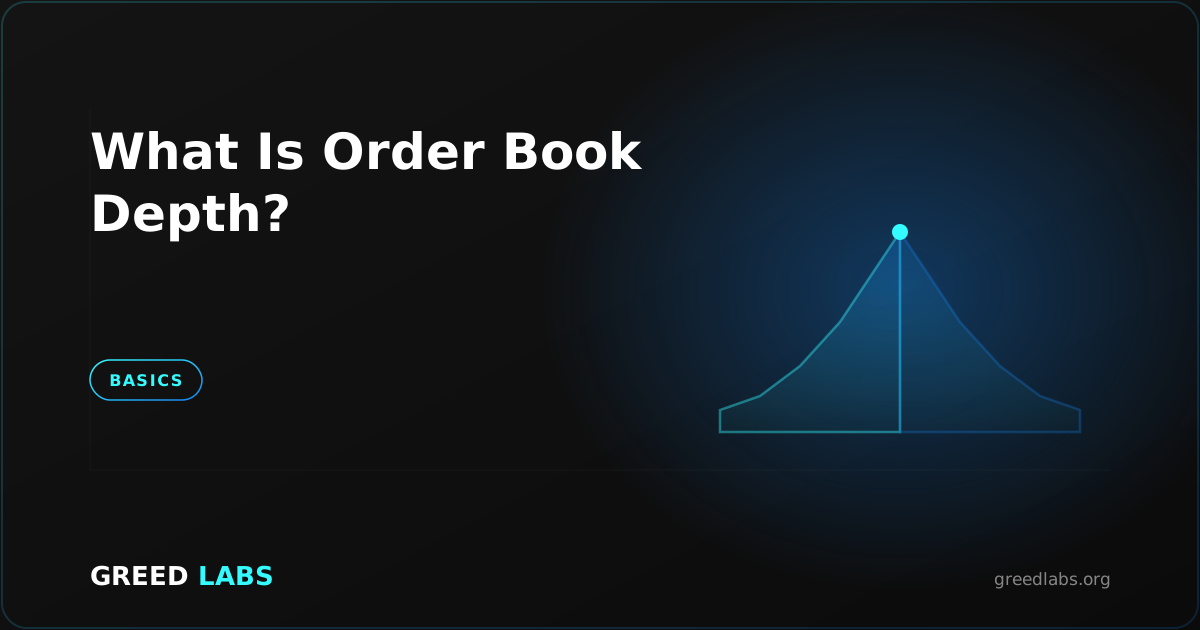
What Is Order Book Depth (and Why It Matters)?
Order book depth is how much buy and sell size rests near the current price. Deep books absorb large orders with little movement; thin books mean even small trades cause big slippage. Here is why depth matters for your token.
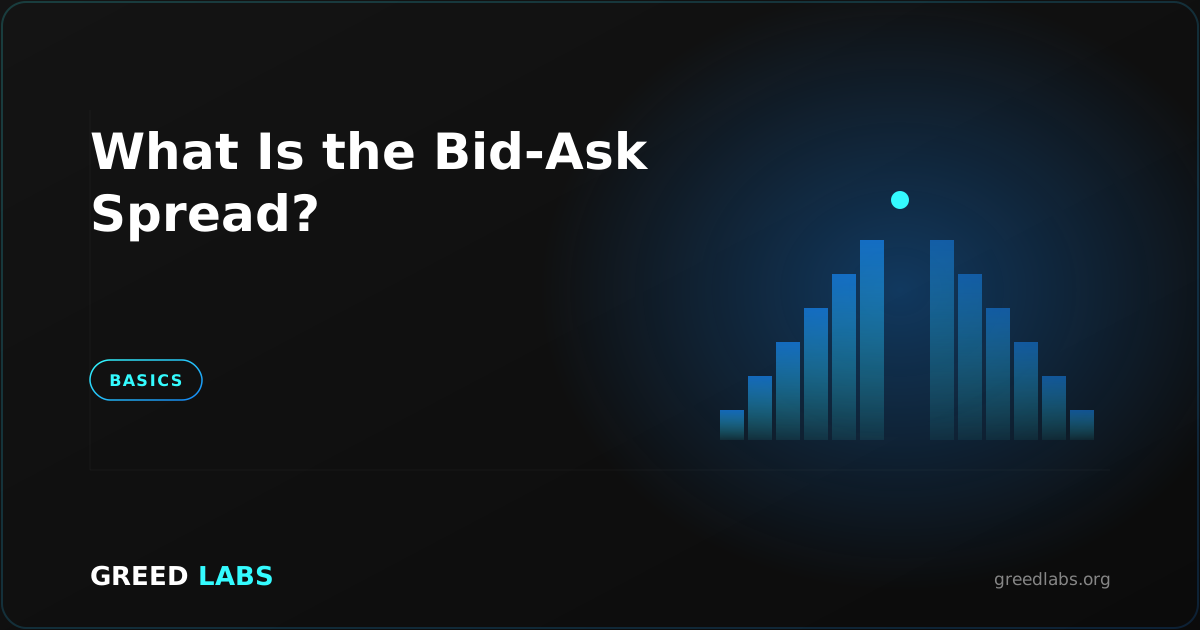
What Is the Bid-Ask Spread? (And Who Sets It)
The bid-ask spread is the gap between the highest price a buyer will pay and the lowest a seller will accept. It's the most immediate measure of a token's liquidity and trading cost — and market makers keep it tight.
What Is Bubblemaps? Token Holder Concentration Explained
Bubblemaps visualizes how a token's supply is distributed across wallets. High concentration signals risk to investors — here's how to read it and improve your token's health score.
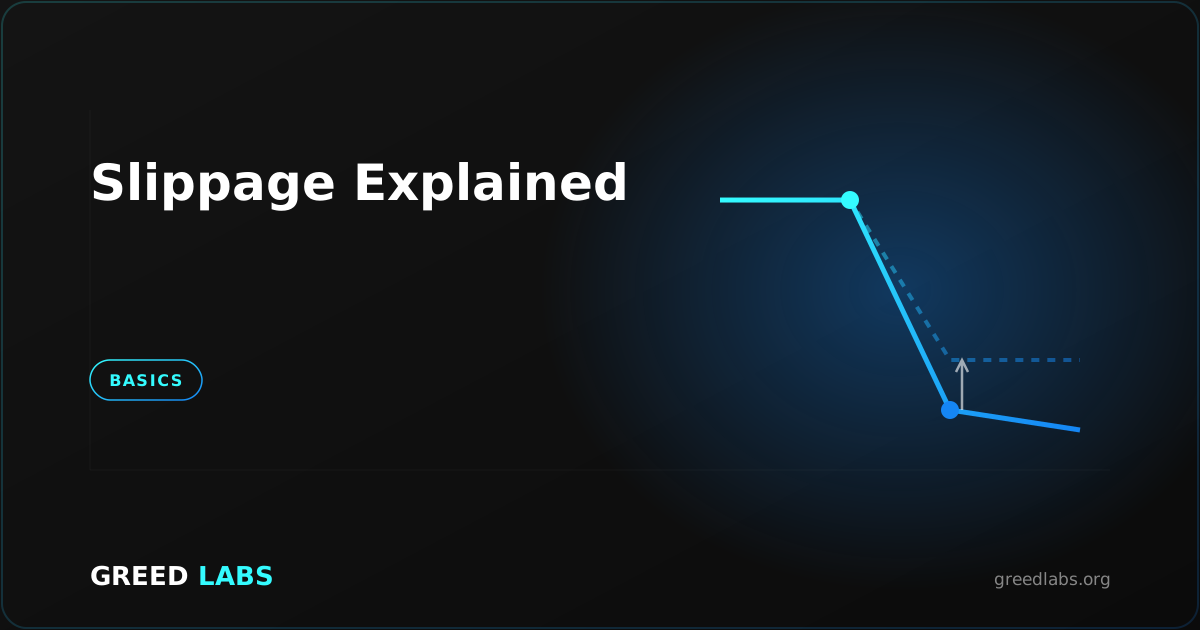
Slippage Explained (and How to Reduce It)
Slippage is the difference between the expected price of a trade and the price it actually executes at. It's caused by thin liquidity and volatility — here's how to reduce it.
Market Maker vs. Market Taker: What's the Difference?
A market maker provides liquidity by placing limit orders that rest on the book; a market taker removes it by filling those orders. Here's how the two roles differ and why it matters.
What Is Crypto Market Making? A Complete Guide for Token Projects
Crypto market making is the practice of continuously quoting buy and sell orders to keep a token liquid, tighten spreads, and reduce price impact. Here is how it works and why it matters.


GET A FREE CONSULTATION
Tell us about your project and we'll respond within 24 hours.