
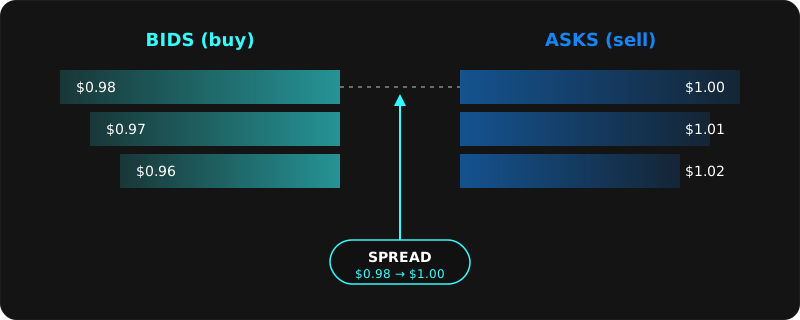
The bid-ask spread is the gap between the highest price a buyer is willing to pay (the bid) and the lowest price a seller will accept (the ask). It's the most immediate measure of a token's liquidity and trading cost — and market makers are who keep it tight. A tight spread means a cheap, healthy market; a wide one scares traders away.
Bid, ask, and the spread
- Bid — the best price someone will currently pay.
- Ask — the best price someone will currently sell for.
- Spread — the difference between them.
Why the spread matters
The spread is a cost: buy at the ask, sell at the bid, and the gap is what you lose on a round trip. It's also a signal — a wide spread tells traders the market is thin and risky, so they hesitate, which keeps volume low. See Why Your Token's Chart Looks Flat.
Who sets it
In theory, everyone posting orders. In practice, market makers set the effective spread by continuously quoting the best bid and ask and updating them as the market moves. See What Is Crypto Market Making? and, for the maker/taker roles, Market Maker vs. Market Taker.
Three things influence how tight it can be: competition (more makers, tighter quotes), volatility (risk widens spreads), and liquidity (depth allows tighter quotes).
Tight vs. wide
| Tight spread | Wide spread |
|---|---|
| Cheap to trade | Expensive round trips |
| Signals a healthy market | Signals thin liquidity |
| Attracts traders | Scares them off |
How to tighten it
A wide spread is a liquidity problem, and the fix is real market making: continuous two-sided quotes backed by genuine depth. Every trade then costs less and the market feels alive. Check any unfamiliar terms in the glossary.
Keeping your spread tight is the most visible thing a market maker does — and the first thing traders feel.