
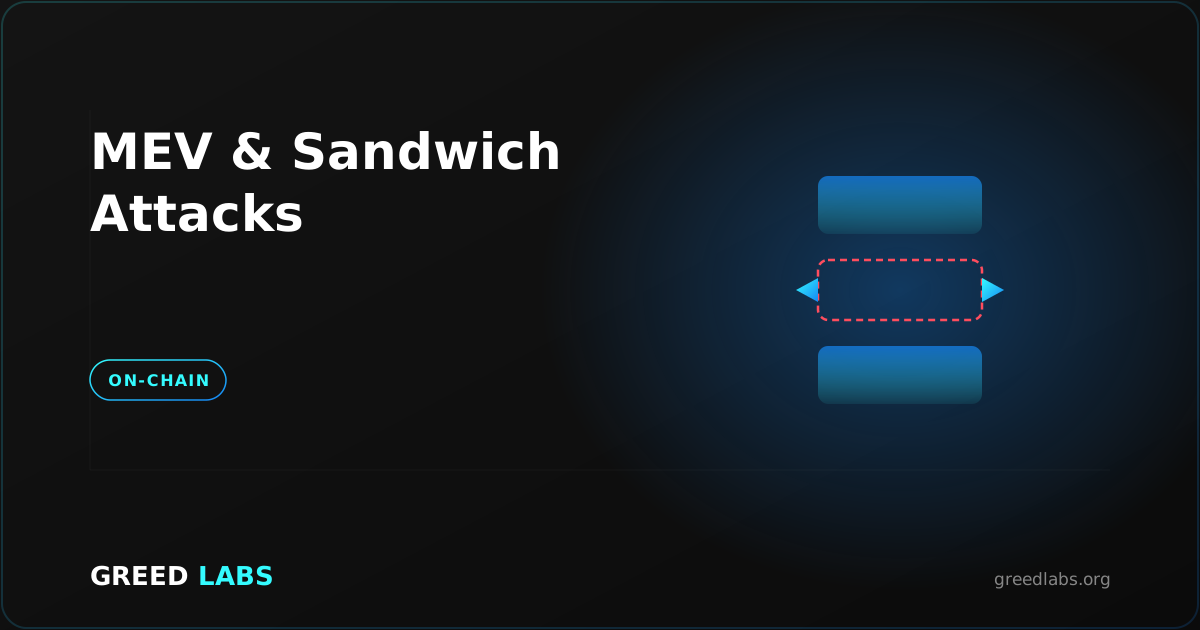
MEV (maximal extractable value) is profit that block producers and bots capture by reordering, inserting, or censoring transactions in a block. The most common form that hurts your traders is the sandwich attack — a bot front-runs and back-runs a swap to skim value through slippage. For token teams, MEV shows up as traders getting worse fills than they expected, and blaming your token for it.
What MEV is
When a transaction is pending, whoever orders transactions in the next block can profit by placing their own around it. That extractable profit is MEV. It's a property of how public blockchains sequence transactions, not a bug in your token.
How a sandwich attack works
- Front-run — a bot sees your trader's pending swap and buys just ahead of it, nudging the price up.
- Victim executes — your trader's swap now fills at the worse, pushed-up price.
- Back-run — the bot sells immediately after, capturing the difference.
The victim absorbs it as extra slippage; the bot keeps the value.
Why it matters for your token
Thin pools make sandwiches profitable, because small trades already move the price a lot. Your on-chain buyers get poor fills, feel cheated, and often blame the project. It's a liquidity problem wearing a security costume.
How to reduce it
- Deeper liquidity — the single biggest lever; less price impact means less to extract. See How Much Liquidity Does Your Token Need Before TGE?.
- Sensible slippage limits — cap how much a trade can move before it reverts.
- MEV-protected routes — private relays or protected pools make attacks harder to land.
- Consistent cross-venue markets — see CEX vs. DEX Market Making, and check terms in the glossary.
You can't delete MEV, but a deep, well-managed market starves sandwich bots of the price impact they feed on — and that's exactly what we maintain.